Sunday, July 2, 2023

From Love and Anarchy to Prizzi’s Honor: When Politics, Romance and Family Collide


Scene with Tripolina and Tunin
As a film buff, it was about time for me to finally enter the wonderful world of Lina Wertmuller. My entry of choice was her classic Love And Anarchy and I was left very much impressed. Although Fellinesque in outlook and style, the focus here is more political in nature. Essentially, it is exactly about the concepts mentioned in the title (at least in its abbreviated one), namely the complex intersection between following one’s heart and opting for radical and dangerous political action. The stakes are high because it is set in Fascist Italy and political opinions and choices do carry a death sentence with them. The original subtitle “this morning at 10, in via dei Fiori, in the well-known brothel” adds more context by clarifying and narrowing down the setting in terms of its physical location.

In this film, Tunin is sent by anarchists on a mission to kill Benito Mussolini and he receives help from the influential prostitute Salome who knows (in the biblical sense) various members of the political elite including the guard responsible for the dictator’s security trail. With the inside scoop and details combined with sharpshooting skills of Tunin, this looks like the perfect team to carry out and execute the assassination plot.

And yet, it gets messy. Tunin is internally struggling with the fact that this event could and would most likely and most probably lead to his death. But he is driven by a desire for revenge. This is briefly shown and alluded to at the inception of the film where Tunin is visited by an older friend who tells him of his plan to free the people by killing the ruling dictator but later ends up being killed by the military. This enrages Tunin, and he sets out to exact revenge on the main and principal source and agent at the top, Mussolini the head of state himself.

In the brothel, he is aided and guided by Salome who has not only her own vendetta, that is, the death of her to-be husband but also her intense personal hatred towards the Fascists. From the onset, Tunin, on the other hand, is less driven by elaborate political ideology but rather it becomes a matter of personal importance to him. His friend should not have died in vain. When Tunin ends up falling in love with Tripolina, one of the working prostitutes, he finds himself in a conflict between his desire for love and his desire for loyalty and vengeance.

This is intensified by his upbringing as simple and average-looking country folk with freckles and very limited experience in terms of love and lovemaking. At the same time, Tripolina herself has had her own share of suffering, and as a sex worker, she seems to have given up any hope of love and romance. Deep inside, she feels not worthy of love and so is confounded by this unusual and unexpected attention that she receives from Tunin who is not solely interested in her body but also in her mind, soul, and overall well-being. and happiness.

As she finally lets down her guard, she becomes vulnerable, as does he in the name of love. In a moving scene, Tunin who has lost his head and heart to this young woman shows up one morning burning with jealousy and pushes away one of Tripolina’s prospective clients while agreeing to pay the brothel owner to be and spend time with his beloved during her regular working hours. In this way, he prevents her from being with someone or anyone else. Tripolina then asks for two days off as they are planning to spend some time together. She does not know yet what is awaiting her at the end of this brief vacation.

As they spend time together roaming the city, walking through parks, and dining at restaurants, she is spotted by one of her customers. He makes fun of their innocent romantic date and then he lets his female companions know about them, and they whisper and gossip about this seemingly odd couple. It makes them very uncomfortable and hinders them from enjoying their otherwise beautiful and wonderful time together.

Tormented by feelings of guilt but also worried about impending death, Tunin then confesses his secret plan to her. As Tripolina unlike Salome tends to be much less interested in political affairs, she wants to preserve their romance; if that is essentially doomed, then at the very least she wants to save the life of her beloved. She is unwavering in this and after spending their final night together, she decides not to wake him up on the ill-fated morning of destiny when he is supposed to go out and kill.

I believe I have spoiled enough of the movie already and will not give away the ending, but I believe it underscores the conflict between love (the heart and passion) and anarchy (the head, anger, resentment, and supposed and anticipated liberation). The film is not condemning but rather justifying progressive politics, but it is reminding us that it often comes at a personal cost and sacrifice, including one’s own life and the lives of those who love us.

In the context of a dictatorship, it also has a moral underpinning to stand up and fight for one’s rights and human rights and personal freedom in general. And yet, the question that the film will leave you with is not whether the means justify the aim but whether it is worth sacrificing human lives for that aim. I have written about this at an earlier date, and you are free to read it here.

I think that human lives are worth more than causes or political outcomes, but I am aware that there are extreme times when one is called upon to fight or defend oneself and one’s loved ones. But if that is the case, it should be done not on a whim but with a full understanding of the seriousness and gravity of the situation and the consequences they would entail, not only personally but also the effects it would have on family, friends, and lovers. Tunin’s decision though seemingly selfless is at the same time selfish as it does not take into account the feelings, needs, and desires of Tripolina. Then there is the whole issue of anarchy, which is not, as is commonly believed, a form and expression of freedom but rather a different and more haphazard form of violence and tyranny, but more on this elsewhere.

Scene with Jack Nicholson and Kathleen Turner about to kiss

Now let’s move on to the second bill: John Huston’s bizarre black comedy Prizzi’s Honor. This movie is about a mob world that would feel at home within the vicinities of The Godfather. From the start, we have a pledge to family and loyalty that is tied with honor and comes with protection. Jack Nicholson plays hitman Charley Partanna who is good and very efficient at his job until he meets Irene Walker (if that is indeed her real name) played by Kathleen Turner, and he falls head over heels in love with her. As this stormy and intense relationship appears to be reciprocated, they even talk about impending marriage and, in fact, follow up on the impulse to do so.

But Charley does not know that she is in fact a hired assassin as well. She has conned and robbed the Prizzi family of a substantial amount of money mainly due to her attractive looks but of course also due to her street-savvy smarts. Yet, one thing is clear: she is certainly not in the mobster’s good books. So there is obvious reluctance and resistance to accepting her into the family. As a matter of fact, Charley is later tasked to kill her for the good of and in the name of the family. At the same time, she has been hired by another source within the same family to kill Charley, and she is promised to be paid handsomely for it.

While this plays out as a pitch-dark comedy, it is far from the light and playful mood that accompanied movies like Mr. and Mrs. Smith nor does it have the satirical, hysterical, and vitriolic excesses of The War of the Roses. In some sense, Prizzi’s Honor, which is based on a novel, has a rather serious tone and underpinning underneath it all. Although the characters are important and are generally well-drawn, it is the theme of honor that pervades it all.

How much would you be able and willing to do for honor and to preserve family name and reputation? Would you be ready to kill for honor? In fact, at the beginning of the film, we meet a so-called dishonorable person, the wonderful Anjelica Huston as Maerose Prizzi in what may be her best role as the rejected mob daughter. She is Charley’s ex, but while they were together, she cheated on him with another guy and even lived with him “in sin”.

For a traditional Catholic family, this is unforgivable, so she has basically been not only dishonored but also disowned and disenfranchised at least from the point of view of her family. Her father will not even acknowledge her existence, let alone talk to her or accept and forgive her. At first, she is struggling to get his attention. Ironically, it is family loyalty and gentle but insistent and firm pressure from other mobsters that make him reconsider forgiving his daughter and letting her enter the family circle again.

And yet, she is not as innocent after all. She gets involved in her own type of personal vendetta in which both her father and her ex-husband are topping her list. The ending is in line with the whole movie itself by being bizarre and unexpected. It may or may not be satisfying for the viewer, but it shows and underscores how we can all get ensnared in different ideas and ideologies and that we may lose our will if not our mind in the process and along the way.

How important is honor in one’s life and to what extent does it guide our actions and decisions? And what is meant by honor? I believe that honor is quite different from dignity, and yet, the two can often be confounded. Dignity is something that we all have and should have, and it must be respected; it is a human right based on equality simply by the act of being a living sentient being and deserving to be treated as one no matter who we are or what we have done.

Yet honor is a more elusive and slippery concept, and, in many cases, I believe that it can stray and delude us and even misguide us. At times, not unlike pride, it can be used for good but it can also swerve and sway into arrogance and hubris. For instance, sex before marriage was and is still frowned upon by many cultures and traditions. The virginity of a female (but conversely not of a male) would then be considered a disgrace to a family’s honor and reputation. So much so that young girls have been banned and even killed because of it, a distorted practice referred to as honor killing. It goes without saying that there is no honor in killing.

Yet, at the same time, we are told to honor our commitments, duties, and parents. But what if what our society, parents, and communities are telling us goes against what we are and who we would like to be? What if we choose love over obligation, duty, and honor and go against the norms of our society and culture? What if we always say yes to love and hold it up as the ultimate guideline for all our decisions? We may condemn Romeo and Juliet for going against their respective families’ wishes and desires, but did they not end up bringing about peace to futile fighting and strife and becoming a symbol of eternal and doomed love everywhere? In the end, we must choose what matters most to us and to our lives.


Sunday, April 30, 2023

The Curious Case of J. D. Salinger: A Writer’s Dream and Nightmare

Black and white photo of young author of Catcher in the Rye
Salinger burst onto the literary scene with the astounding and breathtaking little novel The Catcher in the Rye, and then, despite stories published here and there, he pretty much vanished and disappeared from the world of literature as well as the general public. He became a famous recluse, and little was known about him, and he revealed little about himself. And yet, so much of himself and his struggles are reflected within his work but even more so in the particular approach that he took towards his work.

Writing became his dharma. It saved his life and kept his sanity more or less intact, a balancing act that was perturbed for life after experiencing up-close and first-hand the many horrors, tragedies, and cruelties of World War II. Although before the war, his dream was to have his stories published in the New Yorker, it was the experience of war that gave form and shaped his most important work, his famous and infamous novel that included the sensitive but struggling and volatile Holden Caulfield, his most memorable character.  

In fact, Salinger had drafts of the novel on him as they were waging war and, in many ways, he credits this book to have saved his life from the madness and atrocities, which had become his reality for a substantial period of time. Holden has been not only shaped by the alienating experiences of growing up in a society that seemed to be solely obsessed with consumerism while purposely or unconsciously ignoring all the other much more important aspects of life and living, but he also had the scars and burning marks of war indelibly imprinted on his flesh and psyche.

Later on, the stories of war seeped into Salinger's short stories as exemplified in his brilliant collection of Nine Stories, which included a few alter egos that did not manage to return with all their f-a-c-u-l-t-i-e-s intact and one of whom committed suicide on a perfect day for bananafish.

It was not merely a matter of blending and fitting in with a society that was out of whack and filled with phonies and conformists, a difficult task in itself that Holden would try to leverage alongside his own personal troubles and a deep longing for belonging but also to do so after glimpsing and witnessing the darkest soul of humanity. Add to that, a society that tends to overlook, be unaware or ignore much of this while demonstrating a lack of respect and recognition toward those who sacrifice their lives, bodies, and sanity for our collective peace and well-being: the many veterans of this world.

As a result, writing became Salinger's dharma and his mitzvah. It helped him express his deepest pain, torments, and longing but at the same time, it exceeded the mere drive for fame and recognition. We often hear and inherently believe and abide by the oft-repeated phrases of “publish or perish” and the desire and pride to see and have your name in print. A writer is not considered a serious writer unless they have significant and influential publications under their belt while we still frown upon the recent trend of self-publishing or even blogs such as this one!

As a matter of fact, many of the writer’s dilemmas are accentuated in Salinger. First, the drive to write authentic and honest stories, not just to entertain and make people smile, laugh, and cry but to delve much deeper into the human experience and psyche. To create a piece of work that not only is unique but that lasts and stands the test of time.

And like many artists who embrace and believe in their calling, he is not ready to compromise when it comes to his work. Although some of his stories got published in the New Yorker, they rejected Catcher because they either did not think that it would sell, or they just did not like it, at least as it stood. Yet Salinger would be famously hesitant and suspicious of any notes, changes, or suggestions and would offer his work as as-is and without any ifs and buts. Not only would he not change character traits or endings, but he would also be furious if they added a single comma to his work, something that indeed ended a friendship he had with an editor.

The uncompromising writers are either self-important and inflated with a sense of pride and self-satisfaction or they are geniuses, or perhaps a bit of both. This attitude of “my way or the highway” has been the trademark of many talented and gifted artists, writers, and filmmakers who wished and demanded to stay true to their unique vision regardless of what editors, producers, film critics, or audiences thought of their work or style.

And yet, a certain amount of give and take is sometimes necessary if you want to become published. Notes are there to improve the work and they are generally provided by experts who know the field and market as opposed to a new budding writer. And in many cases, this may be true, but without taking risks and chances and without thinking outside of the box, we would always tread the same ground and not be innovative or groundbreaking.

As such, a small publisher decided to publish the little novel that become a big worldwide hit! Many readers not only resonated with it but identified with the main character and his struggles for authenticity in a fake and superficial world. It has inspired many to do good but in this particular case to do bad too. Three assassinations were said to have been influenced by this novel, making it ipso facto a dangerous piece of literature. Mark David Chapman had not only read the book, but he had it on him the day he shot and killed the universally beloved and admired John Lennon.

The same book that saved its author’s life was allegedly responsible for the slaughter of an innocent person. Although no one would blame Salinger for it, he must have felt guilty and slightly responsible, especially because other attempts were also blamed on this same book. And yet, at the same time, many people felt such a close affinity with the main character that they started to look for and even harass its author. In a world where we need superstars and leaders for supposed guidance and to pin our hopes on, Salinger seemed an unlikely one but his words equally inspired and infected. Notwithstanding, as he himself would say, he was just a writer of fiction, nothing more, nothing less.

The first time I read his novel, I was thoroughly impressed. I was a literary undergrad and it had come under my radar but without the usual fanfare and excitement, and outside of academia. My knowledge of modern literature was (intentionally) limited at the time as my focus was on the 19th century. Many works including popular movies of North America were outside of the realm of my orbit and experience as I had grown up in Germany and was more familiar with Goethe and Schiller and much less so with an American writer by the name of J. D. Salinger.

That helped me to read it with fresh eyes and without preconceived notions. At the time, I was not aware that the book was the purported symbolic assassin of one of my favorite musicians. But I was thoroughly impressed with the book and loved its playful sense of humor in the background and context of a soul-searching identity crisis and the pains of growing up.

It continues to have and count on my admiration. Only recently, I decided to find out more about this reclusive writer and realized that his retreat from literary circles and the world at large was a monk-like insistence on focus and meditation. Salinger was influenced by Zen and Vedantic philosophy and surprisingly enough continued writing to his dying day but vehemently and adamantly refused to publish any of his work.

It was a significant shift from a writer who wants to publish and receive acclaim for their work to someone who wrote for the mere sake of writing. It was a ritual, a form of meditation and exploration of his soul and his life’s purpose. It came at the expense of his personal life as marriages and relationships would evidently suffer and fall apart from this one-track almost blind obsession and dedication of his.

The question that may be posed to a budding writer might go something like this: If you were told that you would never be published, or famous and that you would not make any money from it, would you still continue writing? Most of us would not continue doing so unless it is the expression of who we are.

And yet, we mostly undertake things not for their own sake but for what we expect from them in return. For instance, meditation is done to calm the mind, to look for oneself, for personal development, to grow spiritually, or even to become enlightened. But would you do so if it did not have any purported or tangible benefits?

There are certain things that remain, however. We dance not because we want to enter competitions or look good in front of a crowd or our friends (though some do) but rather for the enjoyment of it. Unlike running, it is not a matter of faster and longer being better nor is it related to covering a distance and getting from point A to point B. It is something that we enjoy doing with others or alone. It is something that we do with a kind of unconditional love, which is so rare in our world and sphere. Replace dancing with listening to music, taking walks, reading, painting, and sculpting and you may catch my drift.

All in all, Salinger is the embodiment of the writer as an artist. He creates not for but just because. Writing is his religion and his psychotherapy. Writing is his escape from the world. Writing is what he (thinks he) does best. Writing is done for himself and his own eyes only and no one else’s. Writing is his obsession and compulsion. It is a dream and a nightmare. It is also what makes his life worth living and enhances the beauty of it all.


Monday, April 10, 2023

Spacetime Flexibility: The Value of Being Flexible instead of Frozen in Space and Time

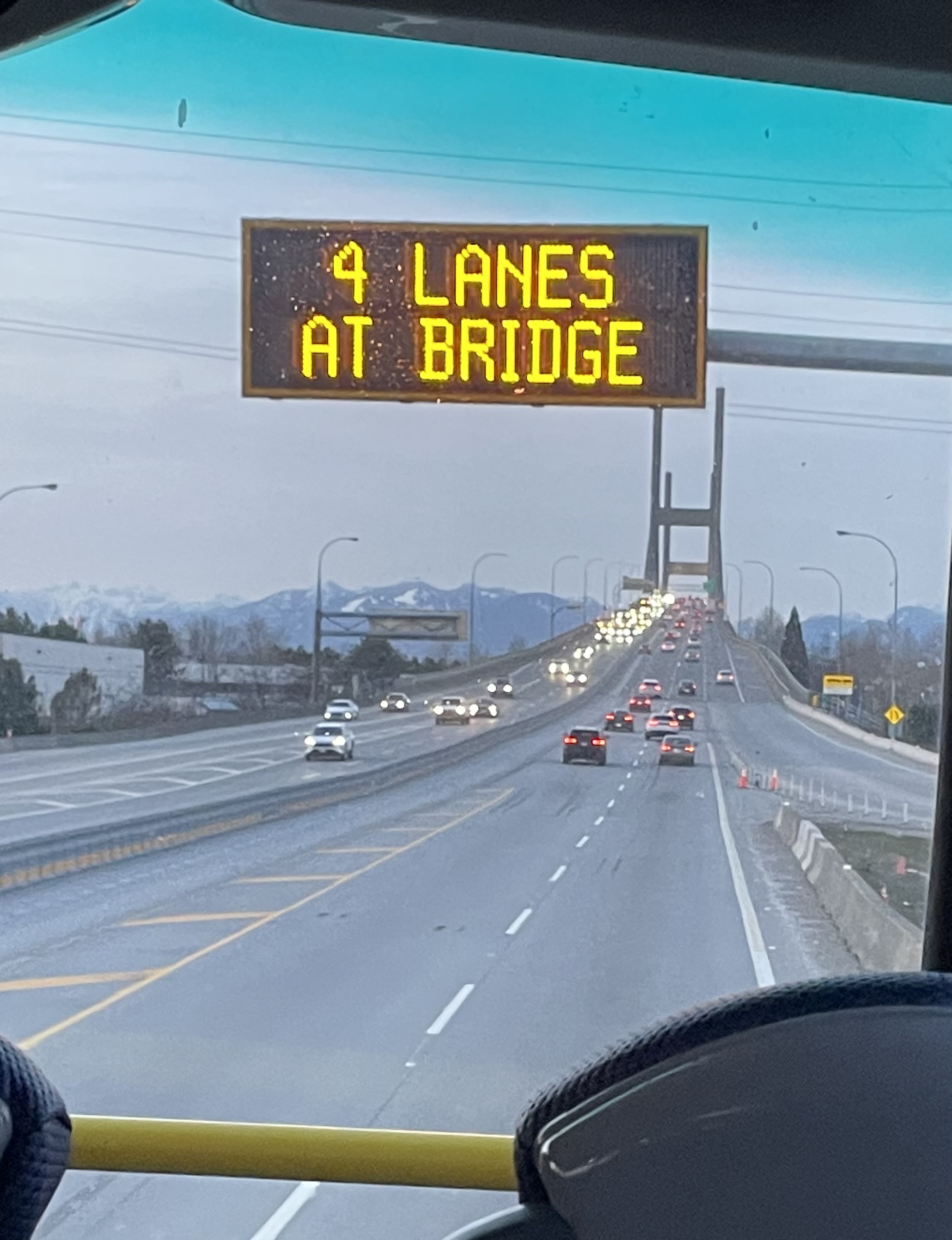
View of Freeway from a Bus Window
There is a subtle but important difference between being open versus being flexible. In the first one, you are accessible to and do not discriminate against or evaluate information coming in but at the same time, it implies a certain amount of relaxed passivity or laissez-faire. 

However, when you are flexible, while the onus is still on you, you feel and are free to choose between given options and even take the liberty to go back and forth and flip-flop because you are essentially free to choose and are not fixed or bound one way or another.

For me, flexibility is openness plus action, a kind of spontaneity where you can take either the left or the right turn or just continue going straight. A lack of flexibility is a rigid stance and outlook in which there is only one way to get from point A to B and it is often the same well-trodden, known, and familiar path. It is the mindset that chooses routine over experiments and safety over adventure.

With the fixed mindset, you just want to get to your destination without having to worry about this and that, and you try to travel within the established confines of your sphere of comfort, which also means that the trip is essentially devoid of surprises and unexpected outcomes and situations. While we like to be in control of things, that is often not the reality of things and our situation. As a rule, we believe that we are more in control than we actually are.

Recently, I was planning to attend a conference and left my place at a reasonable time to get downtown. As I walked out of the elevator, I noticed a package addressed to my wife. Instead of taking it up to our floor, they had just left it inside the entrance hallway. They must have thought it was close and good enough and taken off. I hesitated for a moment as to how to proceed.

Usually, I would have walked out, gotten on my bus, and then texted her that there was a package patiently waiting for her downstairs. For some reason, I decided to take it up and hand it to her in person. When I finally got to my floor, to my surprise my wife was at the elevator door, and she had already been alerted about the package by the delivery service person.

I quickly handed it to her; she thanked me, and I was out and about. Except that the moment I stepped out, the bus that was destined to take me to my destination shamelessly took off right in front of my eyes! No amount of waving and gesticulating would have changed anything, so I did none of that. Yes, I could have run after the bus like a madman, but I reserve and keep that sort of manic behavior for emergency situations only. 

Yet to my shock and surprise, the next bus was due a dozen minutes later and took more than fifteen minutes to arrive. As I was waiting, I was worried I would not make it to the event on time. It was not a very important event and was simply for pleasure and entertainment and not work-related but still, I could not stand being late for anything, which is part of my German upbringing or past trauma.

I was standing at the bus stop thinking and worrying for a good quarter of an hour, and finally, I got to my destination with a few minutes to spare. At the same time, the event started a good five minutes late anyhow so either way, and even in the worst-case scenario, I would have been perfectly fine.

And yet, I spent or rather wasted various minutes worrying about nothing. Not only that but I was frozen in space and time, which is what stress and worry can do to you. It was not fight-or-flight for me but it was being stuck and immobile while passively and even helplessly waiting for the bus to come and cursing that it was late as it was wont to be as a part of our wobbly and unpredictable transit system (quite the contrast to the precise and well-oiled transit of my German hometown).

Yet let us rewind the whole situation and play it again. In this alternate scenario, I would still deliver the package to my wife because that is just how I roll, a gentleman who delivers undelivered packages to loved ones. I would still miss the bus but I would not worry this time around. I would just smile and maybe shake my head. Instead of cursing, I would calmly assess the whole situation.

Suddenly, I would notice things that evaded me the first time around. Not being frozen in spacetime, I would have a clearer and much calmer mind and see various options opening up in front of me. I could have taken the bus in the opposite direction and then switched buses at a different stop. As a matter of fact, two buses passed me by on the other side as I was cursing my luck and worrying about not making it on time.

Or I could have walked. The weather was nice and agreeable enough and I could have made it there in less than half an hour while also adding an element of movement and exercise to the whole situation. Another option that did not occur to me because I was so entrenched in my ways was that I could just return home and not go. The event ended up being mildly interesting, but it was not as mind-blowing as I had expected it to be. But not going, I would have been in limbo with the what-if question and scenario.

Anyhow, this is not a should-I-stay or should-I-go scenario. It is about being aware of one’s options and not feeling stuck or being in a rut. It is easier said than done you may say but that is only half true. It is similar to the saying that you cannot know what you do not know. And yet, and yes rather ironically, if you really want to know what you do not know you are most likely able to know it. The ingrained and repetitive patterns and habits are part of our daily grind and interactions but if we become aware of them, and if we practice a certain level of mindfulness and assess the situation in a calmer and more reflective manner, then options that we failed to see the first time around suddenly appear.

On the grand scale of things, my situation was one of little importance and relevance, but the lesson contained in it can be life-altering and has the potential of changing our situation and life circumstances in drastic and dramatic ways.

The emphasis here is on potential while the onus, whether we are aware of it or not, whether we wish to acknowledge it or not, remains on us. It is not a matter of right or wrong but what is the best thing in our given situation and what feels most right and what is most in tune with who we are at any given moment of our lives. This flexibility will lead us not only to more options and choices to choose and select from but can also increase the enjoyment of our daily lives and a way of discovering and coming into touch with new facets and dimensions of our own being instead of merely feeling stuck and frozen in spacetime.